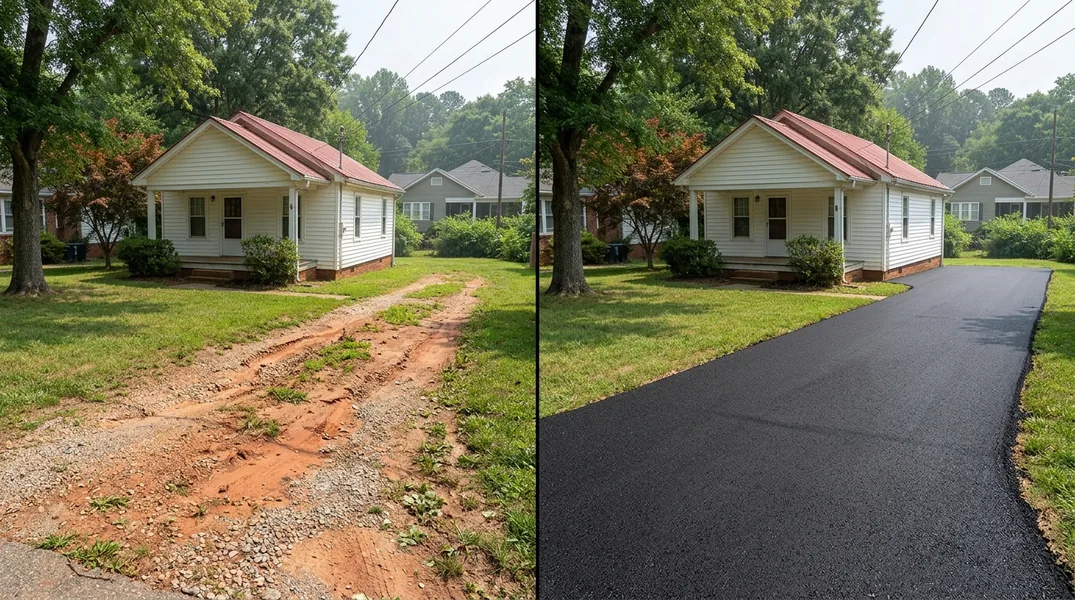
How Long Does Asphalt Take to Cure in Summer Heat?
When you invest in a new Asphalt Driveway Paving & Installation project in Winston-Salem, understanding the curing timeline is essential for protecting your investment. Asphalt curing is not an instantaneous process, despite how quickly the surface may appear to harden. The curing time depends on several factors, with temperature playing the most significant role.
In Winston-Salem's hot summer months, you have an advantage. Warm temperatures accelerate the curing process considerably. Generally, new asphalt will reach initial set within 24 to 48 hours in warm conditions. However, reaching full cure (where the asphalt achieves maximum strength and durability) typically takes 6 to 12 months, depending on traffic patterns, weather conditions, and the specific asphalt mix used. The surface may feel firm within a few days, but the material continues to harden and strengthen throughout the year.
How Long Before You Can Drive on New Asphalt?
One of the most common questions homeowners ask is how soon they can use their newly paved driveway. The answer depends on the type of use you're planning. For light foot traffic, you can typically walk on new asphalt after 24 to 48 hours in summer weather. However, driving is a different matter entirely, and patience during this period is crucial for the longevity of your driveway.
Most professional paving contractors, including Winston-Salem Asphalt Paving, recommend waiting at least 48 to 72 hours before driving regular passenger vehicles on new asphalt. If you must drive on it sooner, keep speeds low and avoid hard braking or sharp turns. Heavy vehicles, such as delivery trucks or large SUVs, should not use the driveway for at least 7 to 10 days. During summer months when temperatures are consistently high, the asphalt cures faster, so you may be able to resume normal driving slightly sooner. However, it's always better to err on the side of caution. The few extra days of waiting can significantly extend your driveway's lifespan and prevent costly damage during the critical early curing phase.
New Asphalt Driveway Care: Essential First Steps
Proper care during the first few months after installation is vital for ensuring your new asphalt reaches its full potential. New asphalt driveway care begins the moment installation is complete. During hot summer months, the sun's intense heat can cause the surface to soften slightly, which is why you should avoid parking in the same spot repeatedly during the first month. If you must park, try to move your vehicle daily to distribute the weight across different areas.
Keep your driveway clean during the curing period, but avoid using harsh chemicals or high-pressure washing for at least 90 days. Light sweeping is fine, but you want to minimize surface disturbance while the asphalt is still settling. Avoid parking heavy equipment or machinery on the driveway for at least two weeks. In Winston-Salem's humid summer climate, you may notice the asphalt darkening as it cures, which is completely normal. The color will stabilize as the volatile oils in the asphalt evaporate. If you notice any soft spots or unusual surface issues during the first few weeks, contact Winston-Salem Asphalt Paving at (336) 733-9623 to have them evaluated promptly.
When Should You Seal Your New Asphalt Driveway?
Seal coating is one of the most important maintenance steps you can take to protect your asphalt investment, but timing matters significantly. Many homeowners wonder when they should apply their first seal coat, and the answer is not immediately after installation. You should wait at least 90 days before applying a seal coat to new asphalt, and ideally, you should wait 6 to 12 months. This waiting period allows the asphalt to fully cure and the volatile oils to escape from the surface. Applying seal coat too early can trap these oils, potentially causing the asphalt to soften or become sticky.
Once your new asphalt has fully cured, establishing a regular seal coating schedule is essential. The question of how often to seal driveway surfaces depends on your local climate and traffic patterns. In Winston-Salem, where summers are hot and humid, we typically recommend seal coating every 2 to 3 years. The harsh UV rays and temperature fluctuations in our region can break down the asphalt binder more quickly than in cooler climates. A quality seal coat protects against water infiltration, UV damage, and oxidation, which are the primary causes of asphalt deterioration. By maintaining a consistent seal coating schedule, you can extend your driveway's lifespan by 10 to 15 years or more.
Common Summer Curing Challenges and Solutions
While summer heat generally accelerates asphalt curing, it also presents unique challenges that homeowners should understand. Extreme heat can cause the asphalt to cure too quickly on the surface while the deeper layers remain softer, potentially creating uneven strength distribution. Additionally, the intense UV rays during summer can cause the asphalt to oxidize faster, which is why newly paved driveways sometimes appear to fade slightly during their first few months. This is a normal part of the curing process and does not indicate a problem with the installation.
Another summer consideration is rainfall. While you want to avoid driving on wet asphalt during the first few days, light rain actually poses minimal risk to a properly installed driveway. Heavy, prolonged rain during the first 48 hours can potentially affect the surface texture, but professional installers time their work to avoid such conditions. If you're concerned about weather impacts or have questions about your specific driveway's curing timeline, Winston-Salem Asphalt Paving can provide personalized guidance. The team can assess your property's unique conditions and recommend the best care approach for your situation.
Asphalt Driveway Maintenance: Beyond the First Year
After your new asphalt has fully cured and you've applied your first seal coat, ongoing maintenance becomes your best defense against premature deterioration. Regular maintenance not only keeps your driveway looking great but also prevents small issues from becoming expensive problems requiring Driveway Repair or even Asphalt Resurfacing & Overlay services. Sweep your driveway regularly to remove debris and leaves, which can trap moisture and promote deterioration. Fill any small cracks as soon as they appear, before water can penetrate deeper into the asphalt structure.
In Winston-Salem's climate, paying attention to drainage is particularly important. Ensure that water runs off your driveway rather than pooling on the surface. Poor drainage can accelerate deterioration and create safety hazards. During winter months, use salt alternatives when possible, as traditional rock salt can damage asphalt and harm the environment. By combining proper initial care during the curing phase with consistent long-term maintenance, you can maximize the lifespan and appearance of your asphalt driveway. If you're ready to invest in a new driveway or need professional maintenance guidance, Winston-Salem Asphalt Paving is here to help. Contact us at (336) 733-9623 or visit our website for a free estimate on your project.
Looking for a professional asphalt paving contractor in Winston-Salem? Winston-Salem Asphalt Paving responds fast for all your asphalt paving needs.
Get a Free Quote